

How Can I Protect My Home’s Electrical System During Spring Storms?
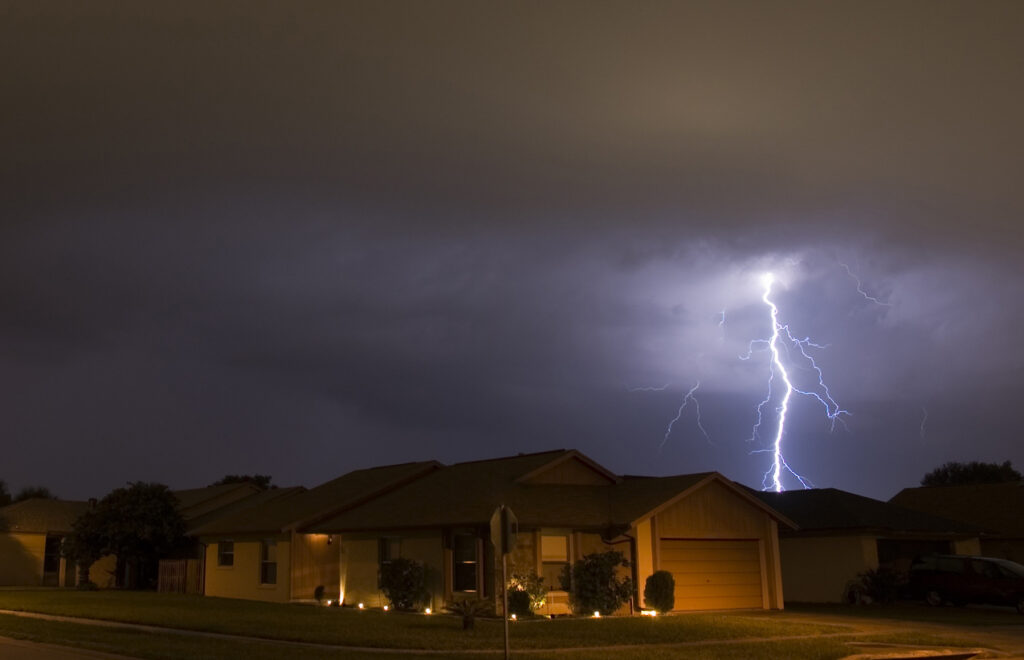
The spring storm season hits hard in New Holland, PA, and the surrounding areas. That can mean trouble for a home’s electrical system. The good news is that there are ways to significantly mitigate the risk. Whole-house surge protectors are especially effective. Here is a closer look at the threats, the available surge protection options, and how to protect your home.
The Challenges Presented by Spring Storms
Lightning is by far the most visible challenge a home electrical system faces during the spring storm season. A single bolt can impart millions of volts of electricity into the ground, the nearby electrical grid, or even a house.
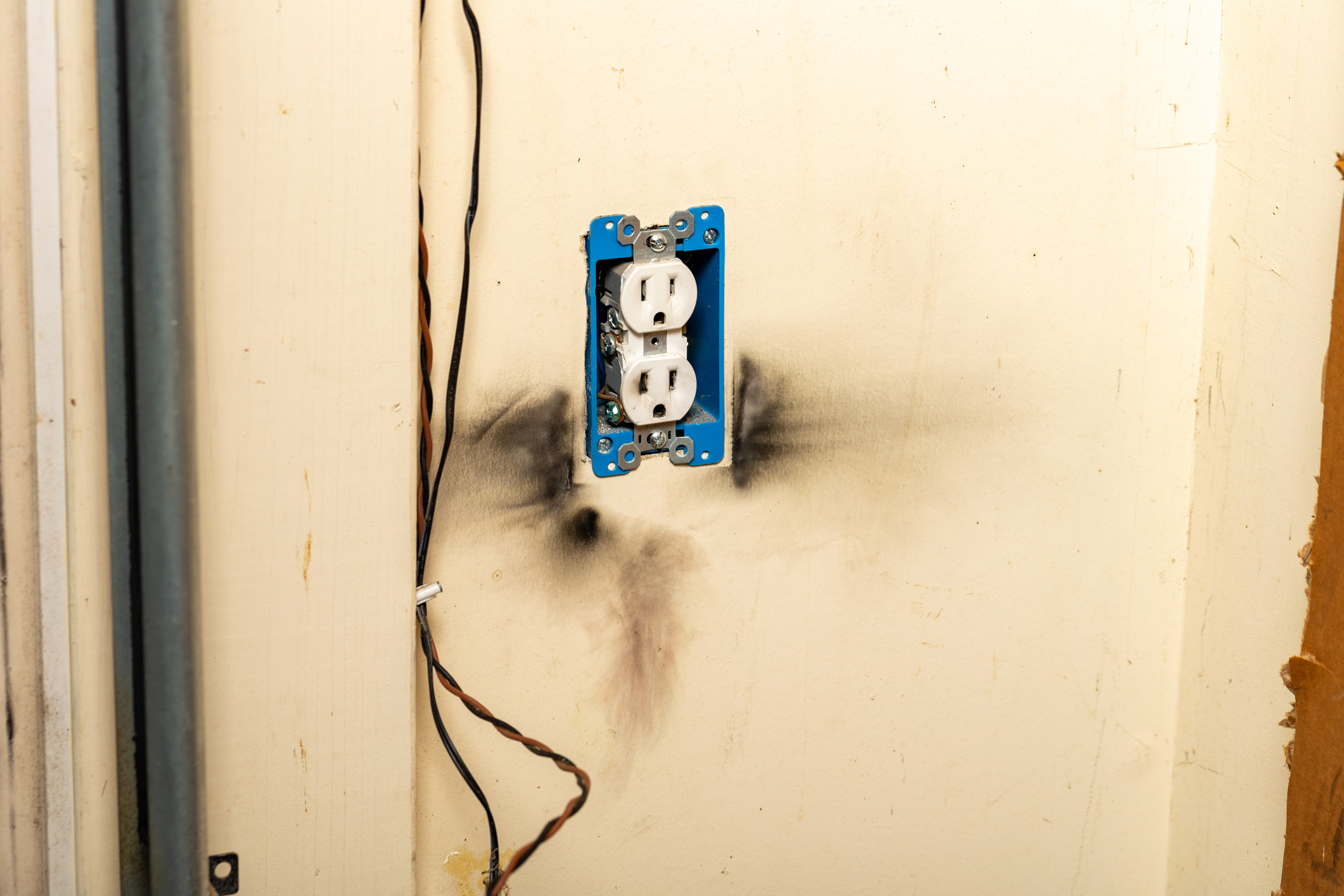
Direct electrical strikes on homes are fairly rare. Most of the danger comes from the tens of thousands of volts of electricity that may surge through the ground or your neighborhood’s electrical grid. These spikes often last less than a millisecond, but they can damage electrical systems in your home.
A less recognized but still serious challenge is grid restoration following storm-related blackouts. Spring windstorms are well-known for bringing trees and limbs down on power lines. Depending on the severity of the storm, this results in hours to days without power. Even if your section of the grid withstood the storm, the restoration process includes electrical surge risks. Mistakes during the reconnection can trigger surges, as the electric company’s workers have to carefully balance the grid section by section as they restore power.
The Dangers of Small Voltage Spikes
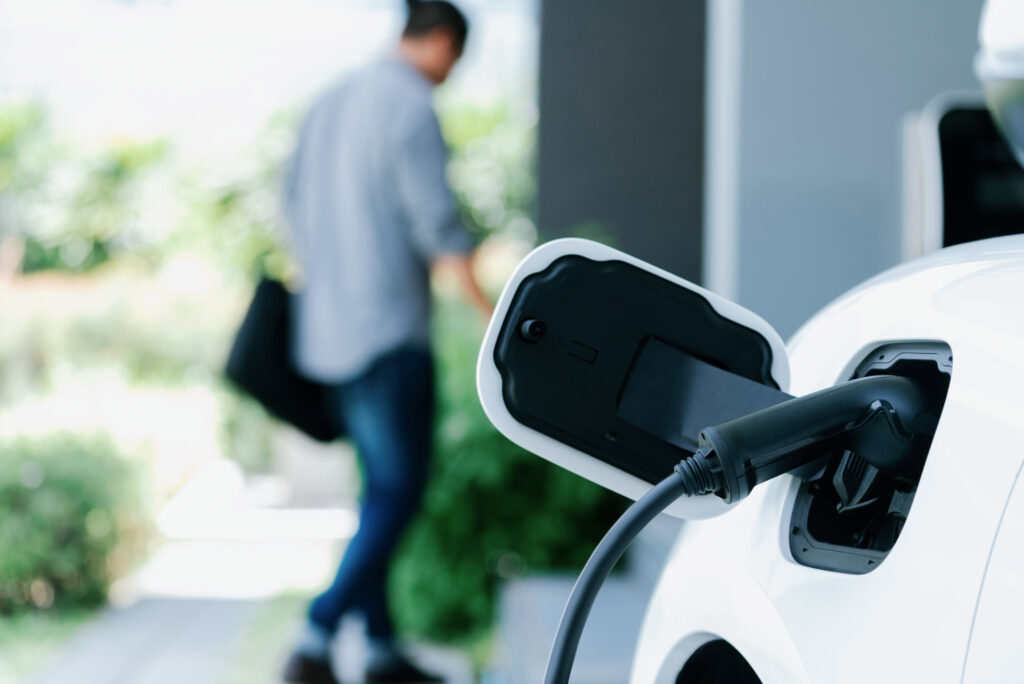
Modern electronics are finicky about their incoming voltage levels. Even small voltage fluctuations can damage the sensitive microprocessors inside devices like phones, televisions, computers, home theater systems, and video game consoles. Many smart home technologies, variable-speed HVAC systems, electric ranges, and even EV chargers share similar sensitivities.
This kind of spike tends to shorten the device’s lifespan and reduce its performance. In many cases, these tolerances are measured in millivolts, so even a small spike can cause problems for today’s electronics.
Types of Surge Protection
There are options for addressing surges at the point of use, across a whole house, and through specific outlets or circuits. You shouldn’t think of these as competing solutions. Instead, they work best as part of a comprehensive approach to surge protection.
Point-of-Use Surge Protectors
These are what you generally think of as power strips. Note that there is a difference between a power strip with no surge protection and one that offers some. Make sure when you’re buying this type of strip that you’re getting one designed for surge protection, not just a power strip.
Point-of-use surge protectors use a metal oxide varistor (MOV) to absorb voltage spikes. These models can typically clamp voltages at 300-400 volts, but a nearby lightning strike can easily overpower that. They can deal with 200 to 1,000 joules of energy. The best way to think about surge protector strips is to treat them as a last line of protection.
Be aware that the MOV degrades over the years of use, but it will continue to supply power. This leads to a false sense of security. Replace these strips every three years to ensure you’re getting maximum protection.
Whole-House Surge Protection
A whole-house surge protector meets surges at the utility entrance or near the electrical panel. A licensed electrician can typically place the surge protector in line with the main electrical system, so there is usually no need to redo the panel or any wiring.
Whole-house surge protectors clamp current as low as 600 volts and can typically handle 40,000 to 100,000 joules of energy. This means a whole-house surge protector will massively outperform anything that a strip can withstand.
Working in conjunction with the electrical panel’s grounding system, the whole-house surge protector also works to redirect excess power away from the overall electrical system. This improves the odds that the energy will go somewhere less destructive.
A good thing is that most whole-house surge protectors include an indicator light that shows the surge protector’s state. As long as the indicator light shows the surge protector is in good shape, you can trust it. If you want to be on the safe side, plan to replace a whole-house surge protector every 10 years or so.
Dedicated Circuit Protectors
These are less common, but they do address specific high-value circuits. If you have a large and expensive HVAC, for example, you might want to add a single-circuit surge protector. Single-circuit systems work best for devices that aren’t suited to a power strip.
Comprehensive Protection
Whole-house surge protection is the front line in protecting your home’s electrical system against spring storms. It provides the broadest solution, protecting every single outlet attached to the panel. You don’t have to plan for each room, outlet, or device.
You then want to use surge protector strips as a second line of defense for high-value systems. For example, many people already use battery backup power supplies with surge protection capabilities for their home office electronics. This is a good way to mitigate the risk that may still arise if a whole-house surge protector doesn’t fully suppress the excess energy from an event like a lightning strike.
Also, whole-house and dedicated-circuit surge protectors are typically best at handling brief blackouts or brownouts. The electric current can fluctuate as the power goes off and on, especially if it happens repeatedly. Strips struggle to handle these fluctuations, but a whole-house system can easily deal with any surges in the line. Also, some hardwired devices like security systems require a whole-house surge protection setup to have any coverage.
Strips can also address surges that occur within the home. A whole-house surge protector only addresses voltage ingress through the electrical panel. A strip-style surge protector can handle surges that might occur when, for example, someone turns on a high-draw power tool.
Iddings Electric is a popular choice for homeowners who need electrical services in New Holland or other nearby communities. Founded in 2002, our company is family-owned and -operated. We also take pride in our A+ rating with the BBB. You can rely on us because we’re fully licensed and insured. Our electricians also undergo background checks and drug tests, so you can trust them. We focus on building lifelong customer relationships by providing the best advice for every installation, repair, or upgrade project.
Contact Iddings Electric today to plan a whole-house surge protection system for your New Holland home.

Our Promotions
Contact Us
Who We Are
Central PA’s Trusted Electricians Since 2002
- Fostering lifelong relationships with each customer
- Completing excellent work without cutting corners
- Having a courteous, friendly, professional attitude
- Offering fair, upfront pricing on all electrical services
- Boasting 20+ years of electrical service experience