

Why Does My Circuit Breaker Trip When I Run the Air Conditioner?
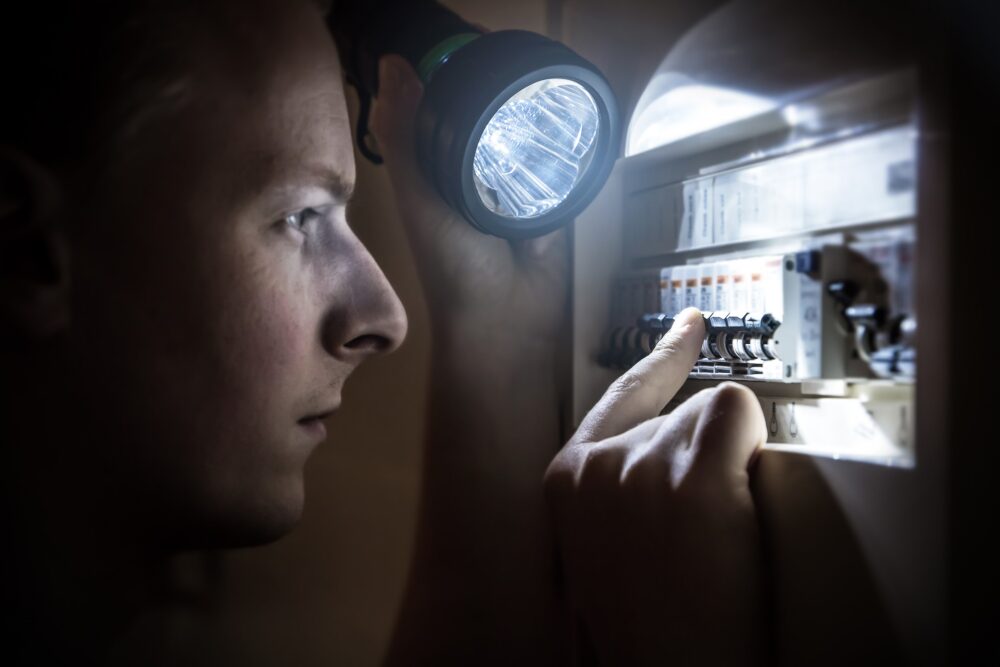
When your air conditioner shuts off and a breaker trips, it is easy to view the situation as a cooling problem. However, the issue is often an electrical safety concern first and an air conditioning inconvenience second. Circuit breakers protect your home’s wiring and electrical system.
During Lancaster’s hot and humid summers, air conditioners often run longer and work harder, increasing the demand on electrical components. Startup cycles place especially heavy loads on circuits, and those demands can expose weaknesses that might otherwise go unnoticed. Iddings Electric helps identify the source of the issue by inspecting breakers, wiring, panels, disconnects, and the circuits that supply power to your air conditioning system.
What a Tripped Breaker Actually Means
A circuit breaker acts as a safety device. It interrupts power when electrical conditions become unsafe. You may assume the breaker itself is causing the problem. However, the breaker usually responds to another issue within the circuit. When a breaker trips, it often indicates excessive current draw, overheating, loose wiring, a short circuit, equipment failure, or another electrical problem that requires attention.
Repeated breaker tripping is never normal. Although resetting the breaker may temporarily restore power, it does not address the underlying cause. The same condition that caused the breaker to trip will remain until someone finds it. Ignoring a breaker that trips frequently allows electrical stress to continue, which affects wiring and connections.
Why AC Units Put Heavy Demand On Electrical Circuits
Air conditioning systems use a substantial amount of electricity compared to many household devices. While the system needs power throughout its cooling cycle, the greatest demand often occurs when the compressor starts. The startup surge requires more electricity than normal operation. Most electrical systems can handle this demand without an issue, but aging equipment will struggle to keep up.
In Lancaster, long cooling cycles often occur during periods of high heat and humidity. These extended run times increase wear on HVAC equipment and electrical components. In older homes, electrical systems adequate decades ago may not support today’s cooling equipment and modern residential demands.
The AC Circuit May Be Overloaded
Most central air conditioning systems require a properly sized dedicated circuit. This allows the equipment to receive the power it needs without competing with other electrical loads. Overloads occur when the circuit cannot safely support the demand placed upon it. The breaker may be too small, the wiring may not match the equipment requirements, or the overall circuit capacity may be inadequate.
In some older homes, previous electrical modifications will add to the issue. Additional appliances or remodeling projects increase the electrical demand beyond what the original circuit can handle. An overloaded circuit may function for a period before breakers begin tripping more frequently. Hot weather makes the issue more noticeable because the air conditioner operates longer.
Loose or Damaged Wiring Can Cause Breaker Trips
Electrical connections must remain tight and secure to operate safely. When wiring loosens, electrical resistance increases. Resistance generates heat. As temperatures rise, electrical performance becomes less stable, and the breaker shuts the circuit down. Loose wiring can develop in several locations throughout the electrical system. Problems may occur inside the panel, at the breaker connection, within junction boxes, at the outdoor disconnect, or where the air conditioning equipment connects to the circuit.
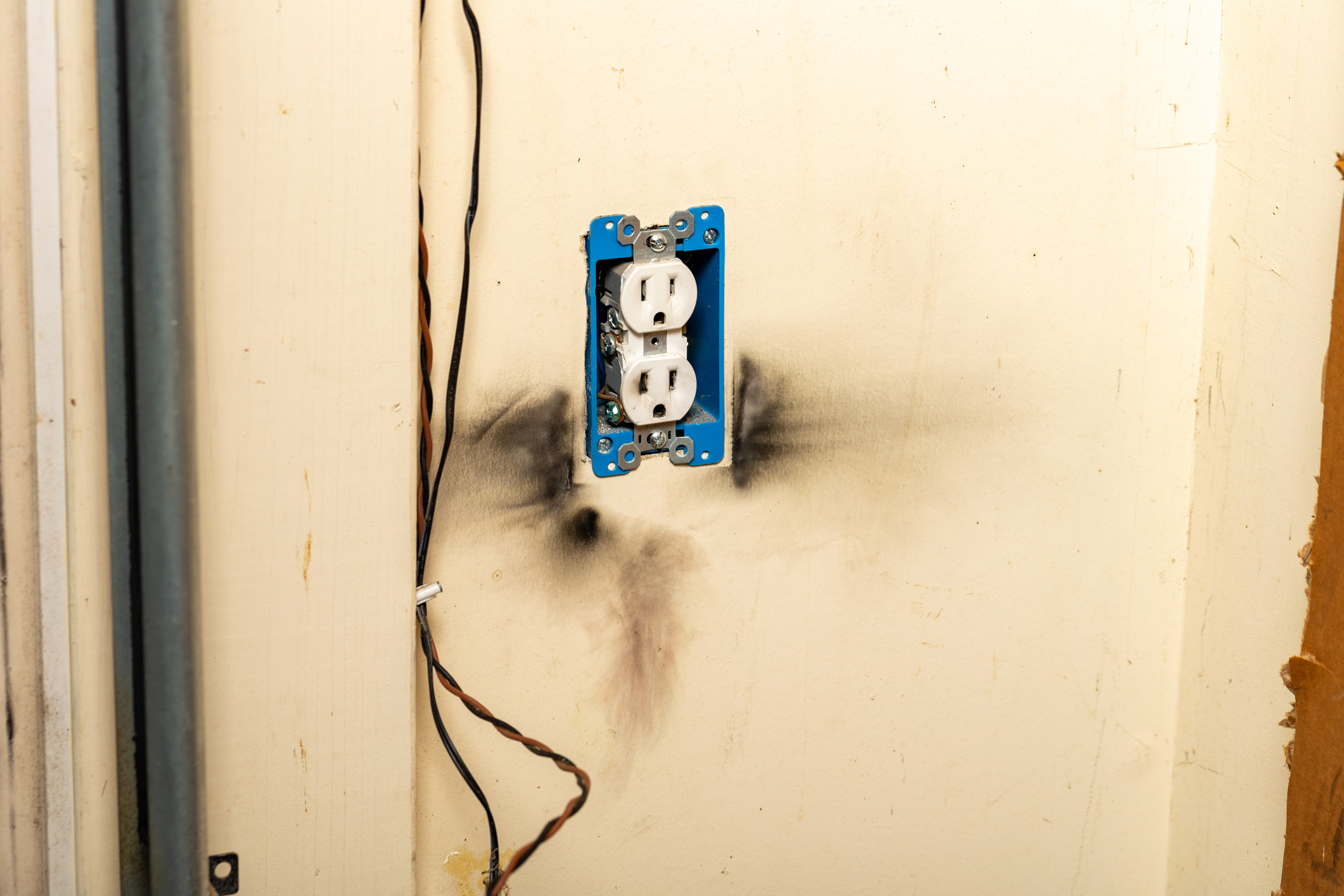
You may notice warning signs before the breaker begins to trip regularly. Buzzing sounds, burning odors, flickering lights, warm breakers, and discoloration near electrical components indicate developing wiring problems. Since damaged wiring can develop into fire hazards, avoid repeatedly resetting breakers. Instead, schedule professional electrical service.
The Outdoor AC Disconnect May Need Attention
You may focus exclusively on the electrical panel when troubleshooting breaker trips. However, the outdoor disconnect is also important in supplying power to the air conditioning system. The disconnect allows technicians to shut off power while safely servicing the outdoor equipment. It also serves as a critical electrical connection point between the panel and the AC unit.
Since the disconnect remains exposed to outdoor conditions, environmental stress occurs. Rain, humidity, insects, corrosion, dirt, and temperature changes will influence its performance. Corroded connections may increase resistance and create heat. Moisture intrusion can interfere with electrical continuity. Damaged components may create intermittent power problems that become more noticeable during startup cycles.
A failing disconnect can contribute directly to breaker trips, power interruptions, and unreliable system operation. This is one reason why breaker trips are not always located inside the electrical panel itself.
The Breaker Itself Could Be Weak or Failing
Circuit breakers are durable, but they do not last forever. Over time, repeated breaker trips and years of service can affect their performance. A weakened breaker may trip more easily than it should. In some situations, the breaker itself becomes the primary issue.
Replacing the breaker without testing the circuit can create more issues. If the problem remains unresolved, even a new breaker may continue to trip. We evaluate the breaker and the circuit that it protects to determine whether the breaker is failing or doing its job.
Your Electrical Panel May Be Near Capacity
Modern homes tend to use far more electricity than homes from decades ago. Air conditioners represent only one part of the equation. Electric dryers, water heaters, kitchen appliances, home offices, entertainment systems, and EV chargers all contribute to electrical demand. As you add new equipment, older panels will struggle to keep pace. Panels operating near capacity often display warning signs. Breakers may trip more frequently, lights may flicker when large appliances start, and some breakers may feel unusually warm.
Limited breaker space can create additional concerns. If you continue adding circuits without evaluating the impact, the total demand may exceed the panel’s capacity. In some Lancaster homes, a panel upgrade becomes necessary to support modern electrical loads. An upgrade panel project provides additional capacity, improves reliability, and creates room for future electrical needs.
When to Stop Resetting the Breaker
While an occasional trip may not indicate a major problem, repeated trips do. You should stop resetting the breaker if it trips repeatedly within a short period. A breaker that feels hot, produces unusual sounds, or emits a burning smell needs immediate attention.
Repeated resets allow electrical stress to continue affecting the circuit. Overheating, insulation damage, and equipment wear may worsen while the underlying issue is not resolved. Turning off the air conditioner and scheduling service is the safest course of action when repeated trips occur.
How an Electrician Finds the Source of the Problem
Diagnosing AC-related breaker trips needs a systematic approach. We evaluate multiple components rather than focusing on a single part of the system. The inspection begins with testing the amperage draw and verifying voltage levels. The breaker will receive an evaluation to determine whether it can operate properly. We also examine wire size, panel connections, grounding systems, circuit load, and breaker ratings to detect overloads and compatibility concerns.
The outdoor disconnect receives inspection as well. Corrosion, moisture damage, and heat-related wear contribute to electrical problems involving air conditioners. If the air conditioning equipment appears to draw abnormal current, consider having one of our HVAC technicians evaluate the system.
Schedule AC Circuit and Breaker Service With Iddings Electric
An air conditioner that repeatedly trips a breaker is often a warning of an electrical problem that requires attention. The cause may involve overloaded circuits, loose wiring, a failing breaker, a damaged outdoor disconnect, insufficient panel capacity, or equipment drawing more power than it should. Professional testing is the safest and most effective way to identify the issue. Iddings Electric provides electrical repairs and upgrade services for homeowners throughout Lancaster.
If your air conditioner is tripping the breaker, contact us at Iddings Electric to schedule service today.

Our Promotions
Contact Us
Who We Are
Central PA’s Trusted Electricians Since 2002
- Fostering lifelong relationships with each customer
- Completing excellent work without cutting corners
- Having a courteous, friendly, professional attitude
- Offering fair, upfront pricing on all electrical services
- Boasting 20+ years of electrical service experience