

Why Do My Lights Dim When Large Appliances Turn On?

A quick dip in brightness can happen when a large appliance starts and briefly demands extra power. The change should be slight, short, and limited to startup. Dimming that lasts, repeats often, or affects several rooms deserves closer attention. Those patterns can point to circuit overloads, weak connections, panel limitations, or problems with an appliance’s circuit.
Why Do Lights Dim When Large Appliances Turn On?
Large appliances can draw much more electricity during startup than during normal operation. That brief demand can lower voltage enough to make nearby lights dim momentarily. In many homes, this happens when motors or compressors first begin running. The key question is whether the lights recover immediately or continue acting differently.
Brief Voltage Drops During Appliance Startup
Air conditioners, refrigerators, pumps, and similar equipment often need extra current when their motors start. Electricians sometimes call this temporary demand inrush current. This added load can cause a brief voltage dip on the circuit. A quick flicker that disappears immediately may be normal under these conditions.
The effect should not become stronger over time or continue while the appliance keeps running. Repeated changes can suggest that the circuit or connection needs evaluation. Other symptoms, including breaker trips or unusual sounds, make professional review more important. An electrician can determine whether the startup demand is reasonable for that circuit.
Lights That Stay Dim or Flicker Repeatedly
Lights that remain dim while an appliance runs are more concerning than a quick startup dip. Repeated flickering can also point to unstable voltage or a weak electrical connection. The problem may affect one circuit, several rooms, or the entire home. Where the dimming occurs can help narrow the possible cause, especially when only one room or circuit shows the change.
For example, dimming limited to one room may involve that circuit or a nearby connection. Whole-home changes may point to a broader panel, service, or supply issue. Don’t dismiss persistent symptoms as a normal appliance quirk. A professional can inspect the related residential electrical system and identify the source.
Which Appliances Commonly Cause Lights to Dim?
Appliances with motors, compressors, or large heating elements create noticeable electrical demand. Some use extra power only during startup, while others draw heavily throughout operation. That does not automatically mean something is wrong with the appliance. The concern is how strongly the rest of the electrical system reacts.
- Air conditioners
- Refrigerators
- Freezers
- Electric dryers
- Microwaves
- Dishwashers
- Sump pumps
- Well pumps
- Furnaces
- Other motor-driven appliances
Pay attention to whether one appliance causes the issue more often than others. A central AC that repeatedly dims lights may need circuit testing. If the breaker also trips, the circuit may be experiencing a separate problem. Learn more about why an AC can trip a circuit breaker when those symptoms occur together.
When Is Light Dimming a Sign of an Electrical Problem?
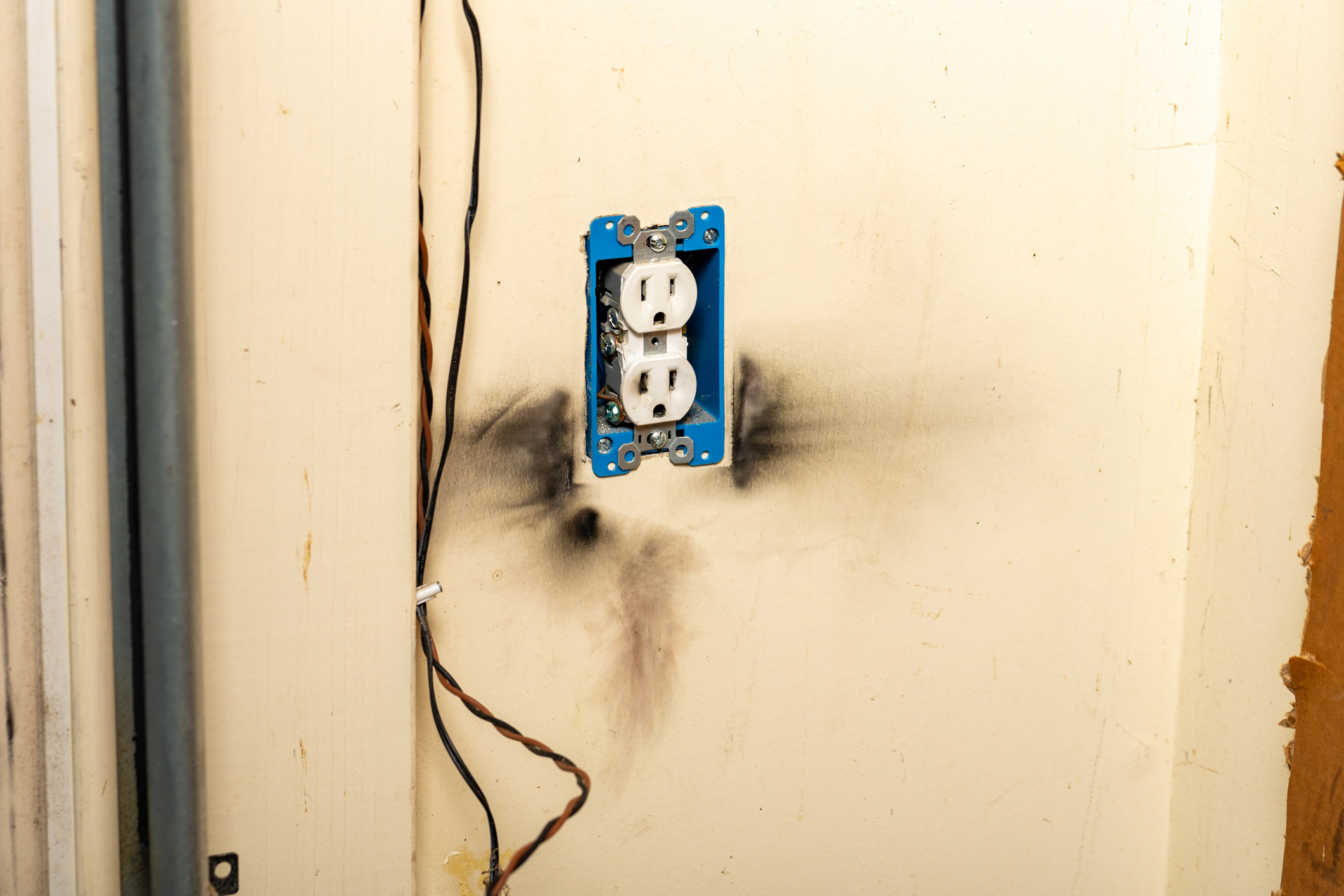
The pattern matters more than one isolated flicker. Dimming becomes more concerning when it lasts longer, spreads, worsens, or comes with other electrical symptoms. Breaker trips, buzzing, heat, burning odors, or visible discoloration deserve prompt attention. These signs can indicate problems beyond ordinary appliance startup demand.
Overloaded Circuits
An overloaded circuit carries more electrical demand than it should at one time. Lights may dim when several high-demand devices share that circuit. The breaker may also trip to interrupt the overload when the demand exceeds the circuit’s safe capacity. Repeated trips mean you should identify the cause instead of repeatedly resetting the breaker.
Older homes may have fewer circuits than modern households typically use, especially when one circuit serves several rooms or appliances. Remodeling, office equipment, and additional appliances can gradually increase demand. A new appliance may reveal limitations that were not obvious before. An electrician can determine whether load distribution or circuit changes are appropriate.
Loose Wiring or Weak Connections
Loose electrical connections can create resistance and unstable voltage. That instability may cause lights to flicker, dim, or change brightness unexpectedly. Connections can loosen at fixtures, switches, outlets, junctions, or inside the panel. Corrosion or damaged components can create similar symptoms.
Heat, buzzing, or burning odors make a loose connection more urgent. Stop using affected equipment if you notice those warning signs. Do not open panels or attempt wiring repairs yourself. Professional electrical repairs can address the cause after diagnosis.
An Aging Electrical Panel Near Capacity
An older panel is not automatically unsafe or inadequate. However, household demand can grow beyond what an older electrical system was designed to support. As household demand grows, large appliances may reveal capacity limits through dimming, repeated trips, or other symptoms. Panel condition, service size, and actual load all matter.
An electrician can evaluate whether the panel has enough capacity for current household needs. They can also check the condition of the breakers and look for signs of overheating. If you need more capacity, an electrical panel upgrade may be appropriate. That recommendation should follow an inspection rather than assumption based only on age.
What Should You Check Before Calling an Electrician?
You do not need to troubleshoot wiring before scheduling service. Simple observations can still help an electrician understand the pattern more quickly. Note when the dimming starts, where it happens, and how long it lasts. Also record any breaker trips, noises, odors, or unusual heat.
Which Appliance Was Running and Whether It Happens Every Time
Start by noting which appliance was starting when the lights changed. Watch whether the same event happens every time that appliance runs. Also note whether the dimming affects one room or several areas. These details can help distinguish an appliance-circuit issue from a larger electrical problem.
Do not repeatedly cycle equipment to recreate a concerning symptom. Instead, document what happens during normal use. Note whether the lights recover immediately or remain dim. Mention any recent appliance installation or electrical work when you schedule service.
Whether Breakers Trip, Buzz, or Feel Warm
A breaker that trips repeatedly needs professional evaluation. Buzzing from the panel or a breaker is another useful symptom to report. Warmth at outlets, switches, or the panel can also indicate an electrical concern. Avoid touching components that appear damaged, discolored, or unusually hot.
Burning odors, smoke, sparking, or active overheating require faster action. If conditions seem immediately hazardous, use emergency electrical service instead of waiting for an appointment. Otherwise, schedule an electrician and describe every symptom you noticed. Clear details help the electrician focus the inspection efficiently.
Get Dimming Lights Checked With Iddings Electric
A quick startup dip can be normal, but ongoing dimming deserves a closer look. The cause may involve a circuit, connection, appliance load, or panel capacity. Iddings Electric can inspect the affected wiring and determine what’s happening. Our electricians focus on finding the source before recommending the right repair.
A professional evaluation is especially useful when several warning signs appear together. Don’t ignore repeated flickering, breaker trips, buzzing, heat, or worsening dimming. We can inspect appliance circuits, wiring, and panels for residential electrical concerns. The goal is reliable operation based on the condition of your actual system.
Contact Iddings Electric to schedule electrical troubleshooting for dimming lights in your New Holland, PA, home.
Our Promotions
Contact Us
Who We Are
Central PA’s Trusted Electricians Since 2002
- Fostering lifelong relationships with each customer
- Completing excellent work without cutting corners
- Having a courteous, friendly, professional attitude
- Offering fair, upfront pricing on all electrical services
- Boasting 20+ years of electrical service experience